



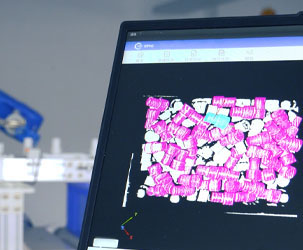
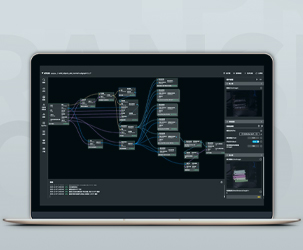


As electric mobility continues accelerating worldwide, the efficiency and reliability of energy replenishment infrastructure are becoming increasingly critical.
From robotic EV charging and automated battery swapping to hydrogen refueling, next-generation energy stations are placing higher demands on automation systems. Charging connectors require precise alignment despite vehicle parking deviations. Battery swapping stations must handle heavy battery packs with high positioning accuracy. Hydrogen refueling presents even greater challenges due to small interfaces, reflective metallic surfaces, and complex environmental conditions.
To address these challenges, Transfer Technology’s Pixel Series AI + 3D vision systems have been deployed across multiple real-world new energy applications, enabling stable and intelligent robotic operation throughout the energy replenishment workflow.
This article highlights three representative deployment scenarios: autonomous EV charging, robotic battery swapping, and automated hydrogen refueling.
PART 1 Autonomous EV Charging
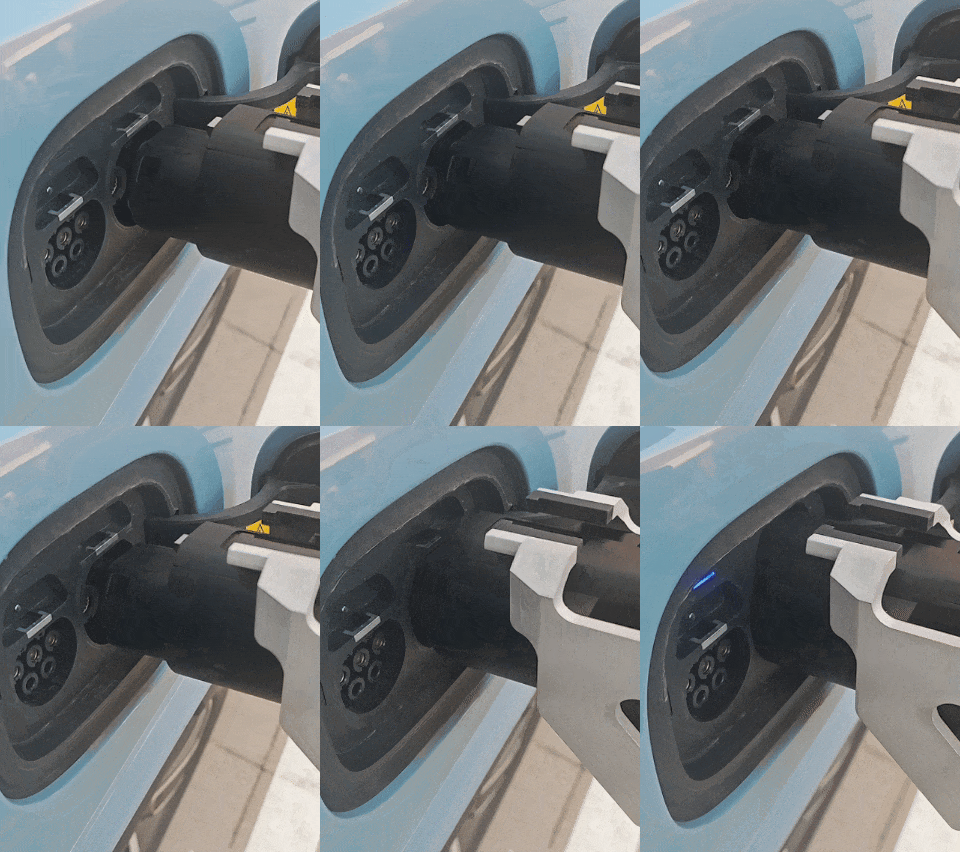
At Li Auto 5C ultra-fast charging stations, the entire charging workflow must be completed automatically after a vehicle enters the charging bay — including connector pickup, charging-port detection, plug insertion, charging completion, and connector return.
The system must also accommodate vehicle parking deviations while maintaining stable operation under changing outdoor lighting conditions.
To enable reliable robotic charging, Transfer Technology’s Pixel Series 3D vision system is mounted directly on the robot end-effector using an eye-in-hand configuration.
Workflow
The robot carries the 3D camera to the charging-port scanning position;
The 3D camera rapidly scans the charging port and outputs real-time 3D pose data;
The robot performs autonomous plug insertion and returns to standby after successful charging connection;
Once charging is completed, the camera performs a second detection to guide automatic connector removal.
With a large field of view and sub-millimeter repeatability, the system delivers stable point cloud data even under changing outdoor conditions, supporting reliable autonomous charging operations.
PART 2 Robotic Battery Swapping
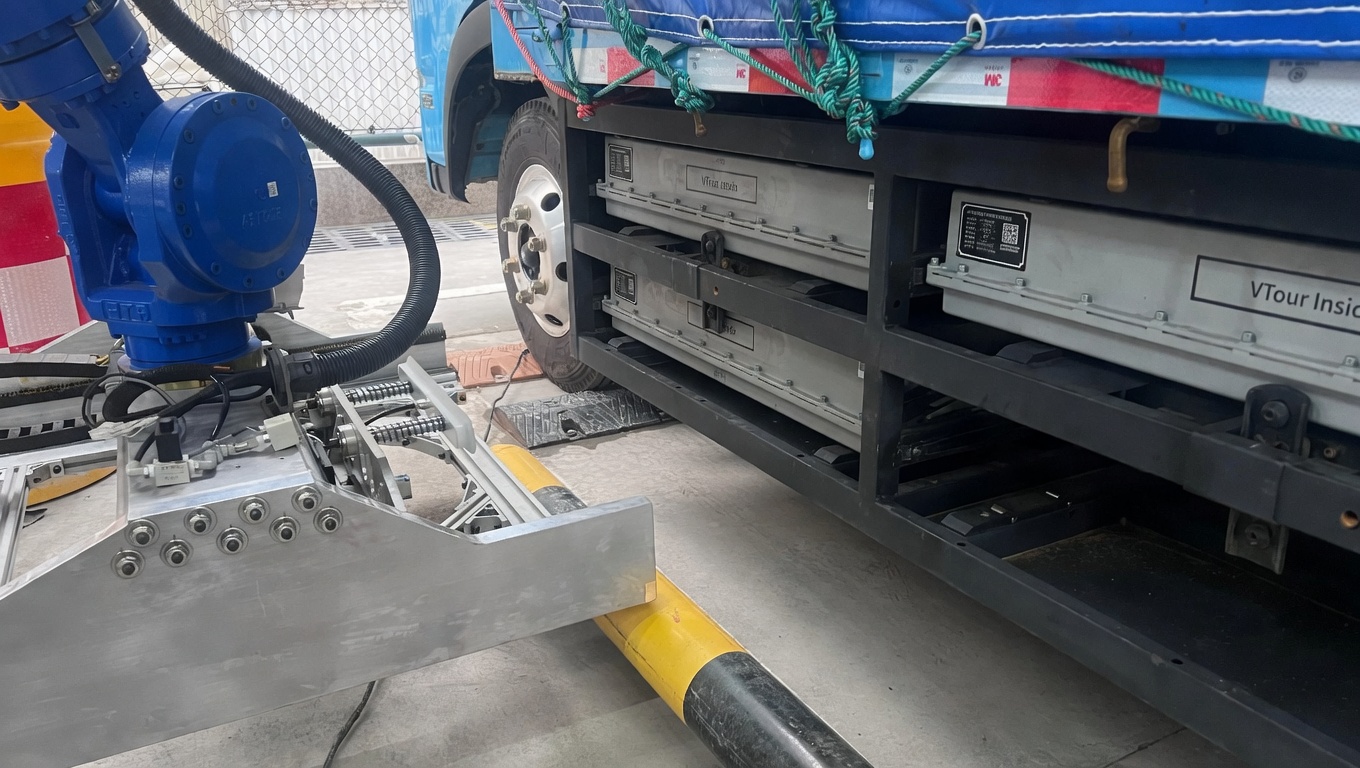
Battery swapping stations for heavy-duty vehicles present even greater automation challenges.
Large vehicle parking deviations, heavy battery packs, and dynamic chassis movement during swapping all place extremely high demands on robotic guidance precision and system stability.
In a large-scale battery swapping project, Transfer Technology deployed the Pixel Mini 3D industrial camera using an eye-in-hand robotic guidance architecture to detect and position battery frames for both light-duty and heavy-duty trucks.
Four Key Vision-Guided Processes
Unlock Verification
The system detects the angle between the locking mechanism shield and crossbeam to verify safe unlocking conditions.
Precision Battery Removal
The vision system identifies the center pose of the depleted battery pack and guides the robot to remove and transfer the battery to the swapping compartment.
Empty Slot Positioning
After retrieving a fully charged battery from the swapping rack, the system re-detects the empty battery frame position on the vehicle before insertion.
Locking Status Confirmation
Once the charged battery is installed, the system verifies the locking status to ensure operational safety.
Deployment Highlights
Vision recognition accuracy: ±0.74mm
Robotic picking accuracy: ±1mm
Strong ambient light suppression capability, reducing reliance on additional shielding or lighting systems
Supports both light-duty and heavy-duty truck battery frames, enabling fast adaptation to future vehicle models without major hardware changes.
PART 3 Automated Hydrogen Refueling
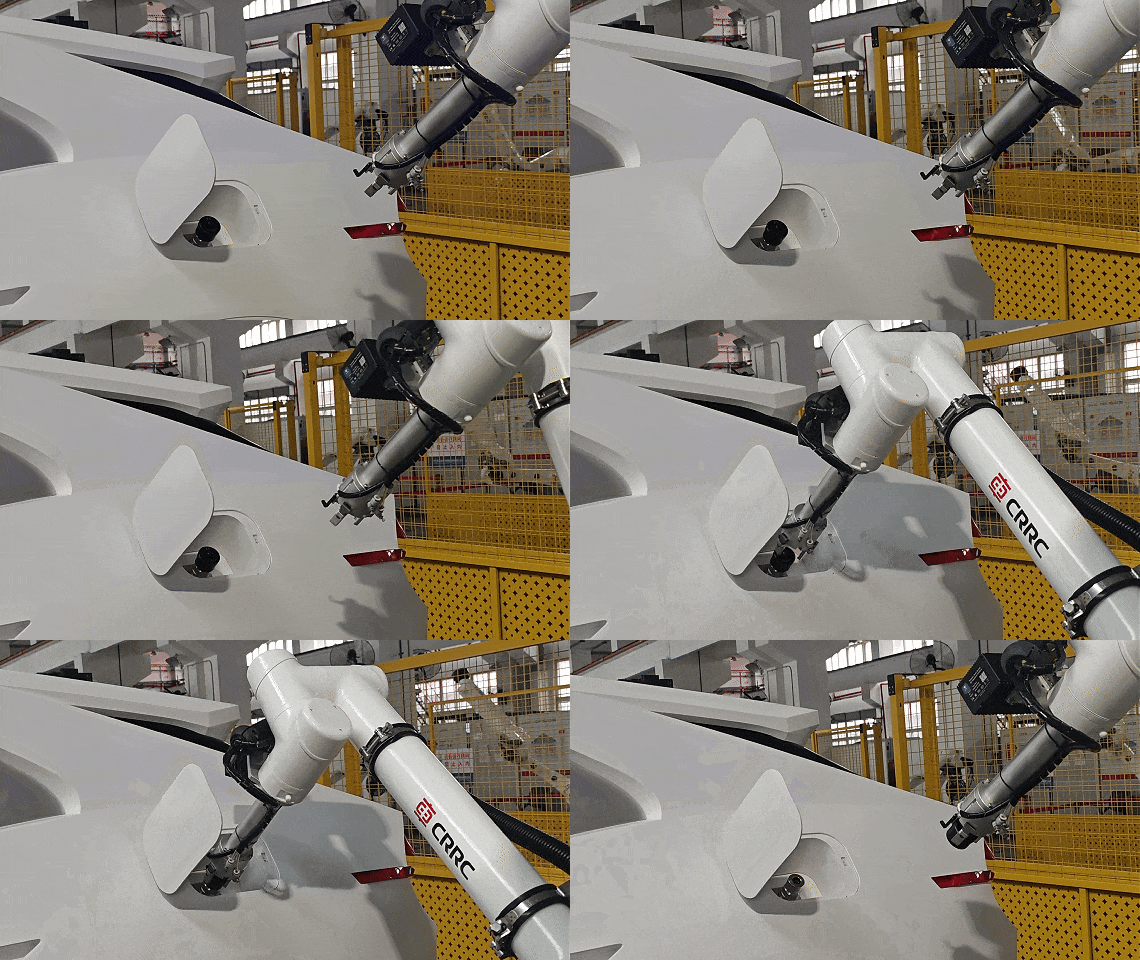
Hydrogen refueling remains one of the most technically demanding robotic automation applications in the industry.
The hydrogen refueling port itself is a highly reflective metallic component, while the surrounding protective cover is made of black light-absorbing plastic. The significant material contrast creates major challenges for conventional vision systems.
In a hydrogen refueling deployment project, Transfer Technology’s Pixel Mini camera was used to simultaneously handle both target objects within a fully automated workflow.
Workflow
After the vehicle stops, Robot #1 performs protective cover removal based on real-time 3D guidance;
The 3D camera performs a second scan to identify the inner-wall pose of the hydrogen refueling port;
Robot #2 carries the hydrogen nozzle and performs precise insertion;
Once refueling is completed, Robot #1 reinstalls the protective cover.
The 3D vision system completes image acquisition and recognition within 4 seconds while achieving detection and grasping accuracy within ±3mm.
Even under highly reflective metallic conditions, the system can rapidly identify small-diameter hydrogen ports and support stable and safe robotic operation throughout the entire refueling process.
 リストに戻る