





Industrial 3D cameras are essential in today’s automated manufacturing environments, providing precise and high-quality data to improve production processes. When it comes to these cutting-edge devices, the choice of communication protocols is a key factor in ensuring seamless integration with other industrial systems. At Transfer3D, we understand the importance of reliable data transmission for industrial 3D cameras, and our range of products, including the Transfer3D 3D machine vision camera, is designed to offer both flexibility and stability.
Versatility of Communication Protocols in Industrial Applications
When choosing an industrial 3D camera, it's essential to ensure that the camera is capable of integrating smoothly with other equipment. Different communication protocols enable a range of functionalities, from simple data transfer to more complex tasks, such as real-time processing. Common protocols used in 3D machine vision cameras include Ethernet, USB, and serial communication. Ethernet, for example, supports fast data transfer speeds, making it ideal for high-volume systems. On the other hand, USB is more commonly used in small-scale operations, offering plug-and-play capabilities.
Seamless Integration with Industrial Systems
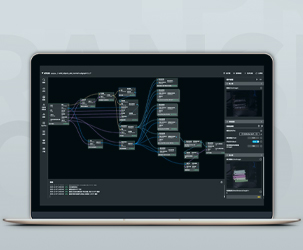
The ability to integrate 3D machine vision cameras seamlessly with existing industrial systems is crucial for smooth workflow automation. At Transfer3D, we use open interfaces to allow easy communication between our cameras and third-party devices or software. This open protocol design allows businesses to customize their setup, ensuring compatibility with existing hardware and software systems.
Our industrial 3D cameras feature robust communication protocols that support integration with PLCs, robotics, and other automation systems. With a user-friendly interface and scalable options, Transfer3D cameras are designed to grow with your business needs, ensuring long-term viability.
How Protocols Affect Performance and Data Quality
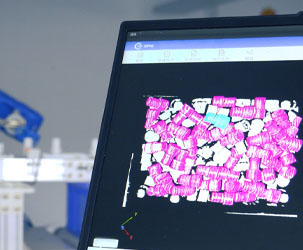
One of the main concerns when using industrial 3D cameras is maintaining the quality of the data collected. Communication protocols play a critical role in ensuring that high-quality point cloud data, generated by 3D machine vision cameras, is accurately transmitted without degradation. Faster communication protocols like Ethernet allow for quicker data transfer, which is essential for high-speed production environments where real-time decision-making is crucial.
At Transfer3D, we prioritize exceptional environmental adaptability in our cameras, ensuring that they perform well in various conditions. Whether it’s working with different materials or operating in challenging lighting conditions, our cameras use advanced protocols to maintain the quality of the point cloud data, ensuring that your measurements and visualizations remain accurate and reliable.
Conclusion
 목록으로 되돌리다